Are you looking for a fun and healthy way to enjoy the outdoors in the Great Falls area this spring? Consider vegetable garden installation! Planting your own vegetables is a great way to connect with nature, enjoy fresh produce, and even save money on groceries.
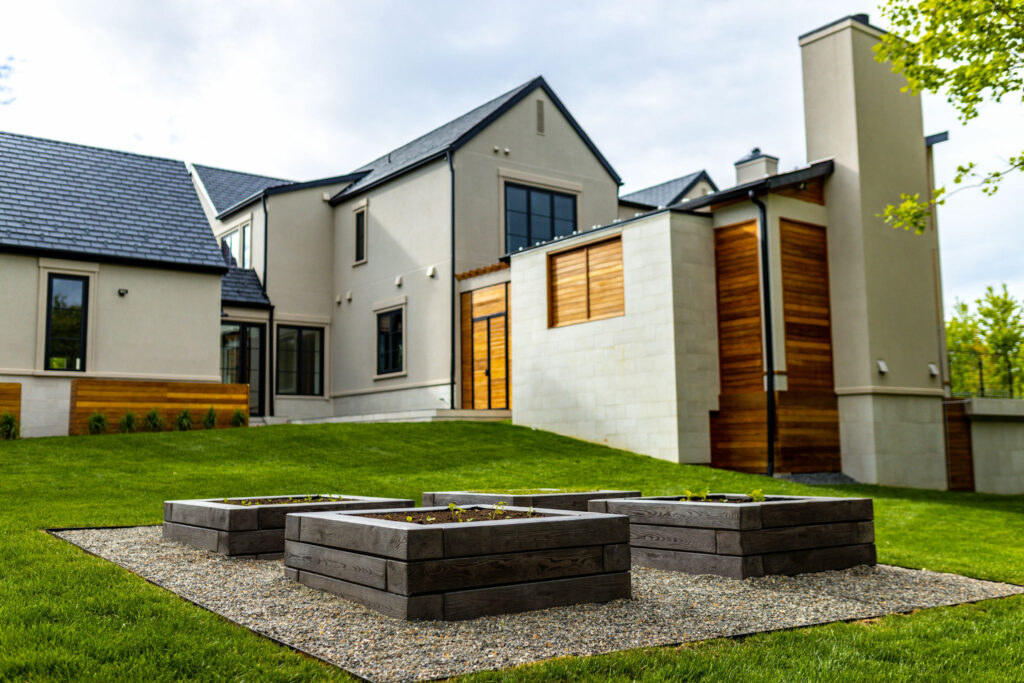
At Lucas & Clark Grounds Company, we’re committed to providing personalized and high-quality landscaping services that meet our clients’ needs and exceed their expectations. Here are some tips on how to get started with vegetable garden installation:
- Choose the right location: The first step in vegetable garden installation is to choose the right location. You’ll want to find an area that gets plenty of sunlight and has good soil drainage. If you’re installing raised beds, make sure they’re sturdy and well-supported. If you’re planting in-ground, make sure the soil is loose and fertile. Remember that deer love veggies too. It is key to choose a deer safe location or install protective fencing.
- Select the best plants: Once you’ve chosen the location, it’s time to select the best plants for your garden. Depending on the season, you can choose from a variety of vegetables like tomatoes, lettuce, carrots, and more. Be sure to choose plants that are suitable for the climate in your area and your level of gardening expertise.
- Design your garden: Once you’ve chosen the plants, it’s time to design your garden. You can create a traditional garden layout or get creative with raised beds, containers, or vertical gardens. Make sure you leave enough space between plants and consider the height of the plants when designing your garden.
- Care for your garden: The final step in vegetable garden installation is to care for your garden properly. You’ll want to water your plants regularly, but not too much, as overwatering can lead to root rot. You’ll also want to fertilize your plants periodically with organic or chemical fertilizers. Be sure to weed your garden regularly and watch out for pests like aphids or snails.
At Lucas & Clark Grounds Company, we believe that gardening is an excellent way to connect with nature and create beautiful outdoor spaces. We’ll work with you to design and install a vegetable garden that reflects your unique style and preferences. We also offer ongoing maintenance services to ensure your garden stays healthy and productive. Contact us today to learn more about our vegetable garden installation services.
Frequently Asked Questions
What’s the best way to prepare a struggling lawn for fall recovery?
Start by mowing shorter than usual and cleaning up debris. Then core-aerate, overseed, and top-dress with compost. Water daily until seed germinates, then shift to deep, infrequent watering. That’s the foundation of every great fall renovation we do in Great Falls, McLean, and Vienna.
Could grubs or soil insects be the hidden cause of scattered dead spots?
It’s possible. If your turf lifts like a loose carpet or you see skunks or raccoons digging, grubs might be the culprit. You can check by peeling up a small section and looking for white grubs near the roots. If you find more than five per square foot, treatment is usually needed.
How can I tell if the damage is from grubs or disease?
Grub damage causes turf that lifts easily and has missing roots. Disease damage usually shows colored patches, rings, or fuzzy mold on blades. In Northern Virginia’s humid summers, brown patch is common. A quick soil inspection can confirm which is which.
Could recurring dead spots be from buried construction debris or shallow rocks?
Yes, especially on newer builds. Concrete chunks or gravel just under the surface trap heat and block roots. A quick soil probe will tell you; it’ll stop cold if it hits rubble. We can spot-repair those areas with fresh topsoil and compost.