Retaining walls are not just functional elements in landscaping; they are also aesthetically pleasing additions that can enhance the beauty and functionality of your outdoor living space. Whether you’re dealing with sloping terrain or looking to create distinct outdoor living areas or garden beds, retaining walls can be the answer. In this article, we’ll explore the different types of retaining walls and provide tips on how to make the most of them in your landscape. Plus, find out how Lucas & Clark Grounds Company can help you bring your retaining wall ideas to life.
Types of Retaining Walls
- Timber Retaining Walls: These are typically made from pressure-treated wood and are an economical choice for small to medium-sized retaining wall projects. They are versatile and can be used for flower beds, garden terraces, or leveling uneven areas.
- Block & Stone Retaining Walls: Concrete blocks with natural stone veneer walls offer durability and a wide range of wall design possibilities. You can choose from various textures, colors, and sizes to create a customized look that complements your landscape.
- Paver Retaining Walls: Concrete Pavers are a popular choice for retaining walls because of their versatility and aesthetic appeal. They come in various styles and colors, allowing you to create a wall that matches your outdoor design seamlessly.
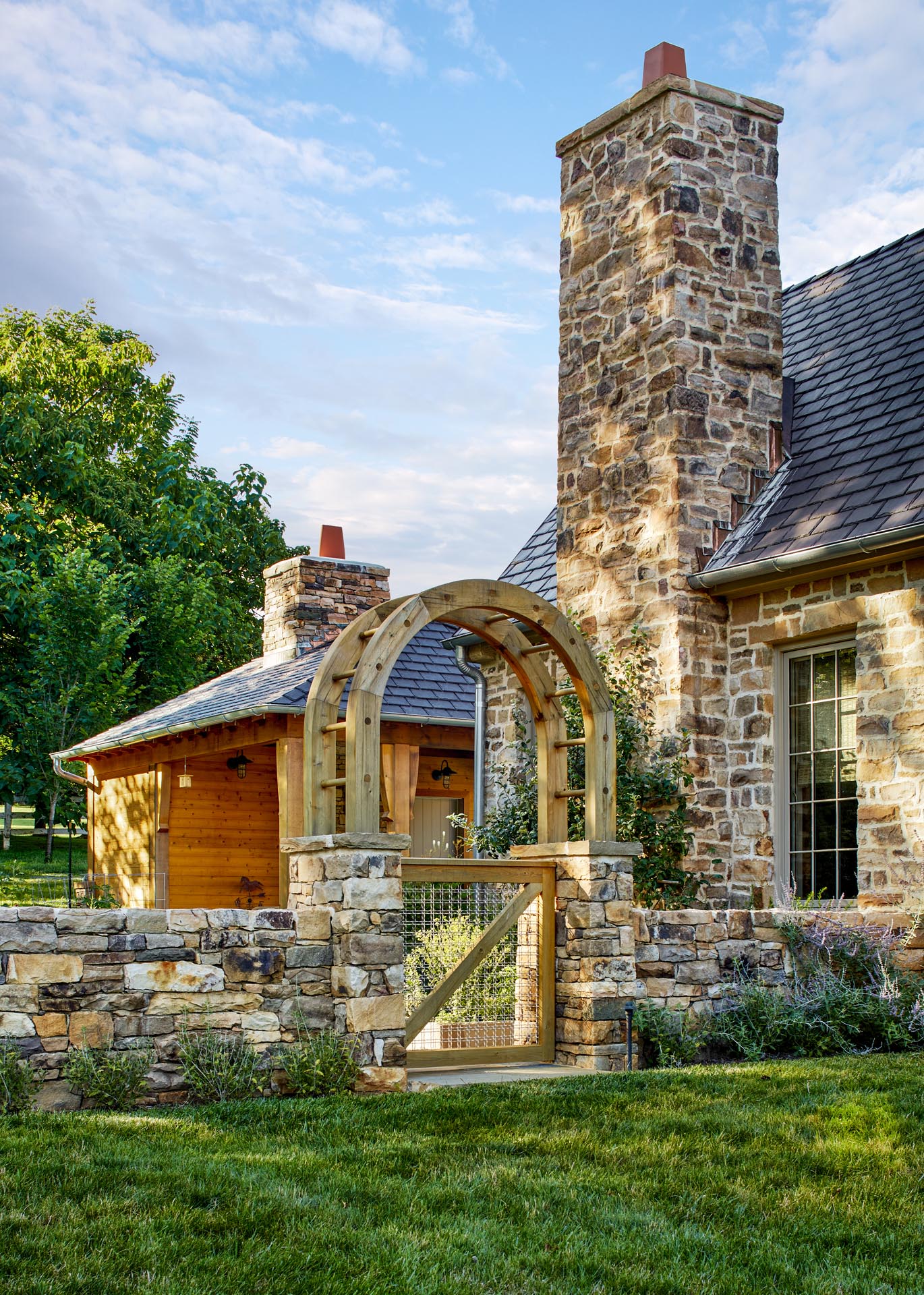
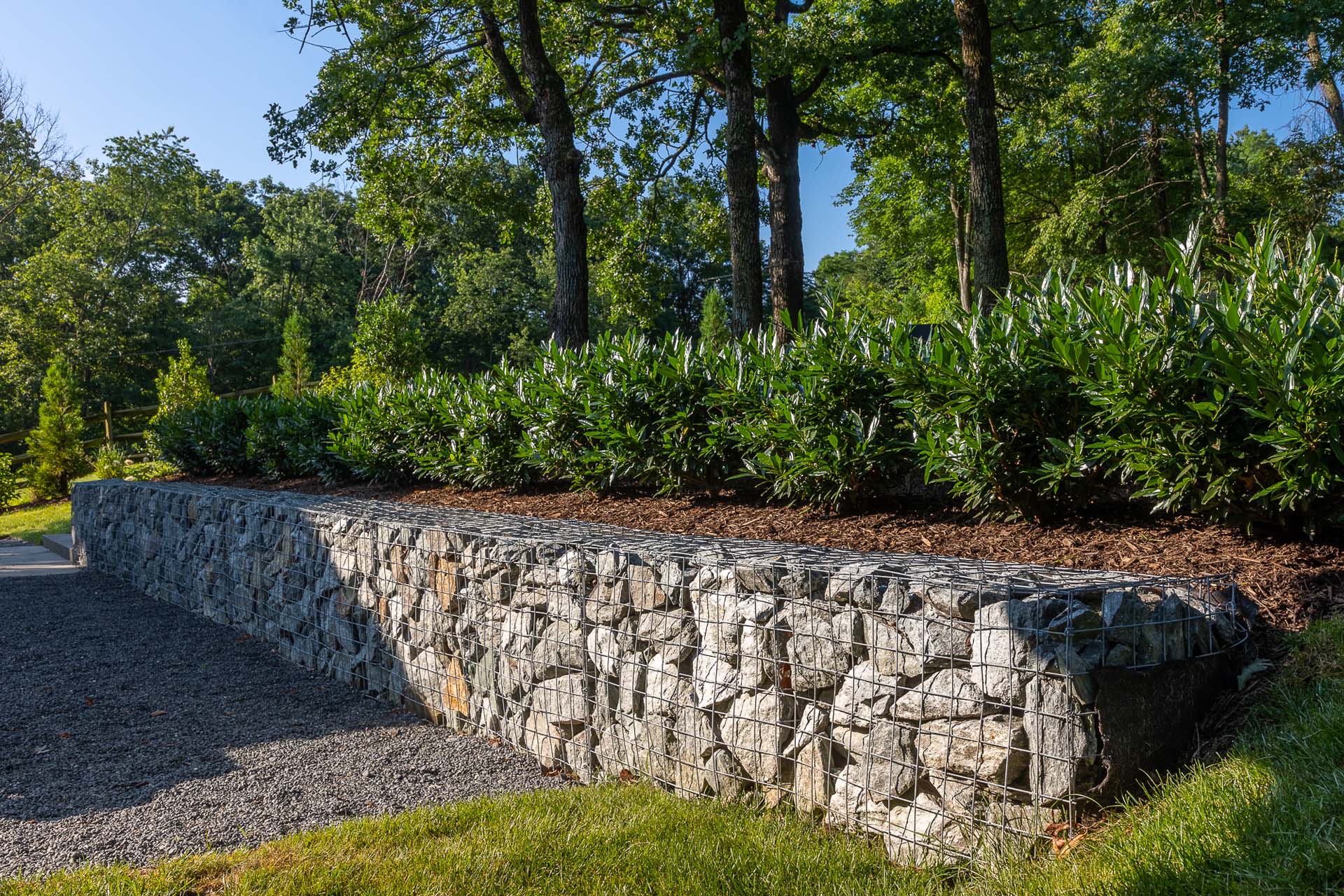
- Dry Stack Stone Retaining Walls: Dry stack stone walls offer a natural and rustic appearance. They are constructed without the use of mortar, giving your landscape a timeless and elegant look. These walls work well in both traditional and modern settings.
- Boulder Retaining Walls: If you’re looking for a bold and dramatic statement in your landscape, boulder retaining walls are an excellent choice. These massive rocks can create a striking visual impact and are ideal for larger projects.
Tips for Successful Retaining Wall Installation
- Professional Design: Before starting any retaining wall project, it’s crucial to have a well-thought-out design plan. Consider factors like the wall’s purpose, height, materials, and drainage requirements. Professional landscape designers, like those at Lucas & Clark Grounds Company, can assist you in creating the perfect design to maximize your usable space and visual appeal.
- Proper Drainage: Make sure to avoid the formation of an unwanted water feature! Proper drainage patterns are essential to prevent water buildup behind the wall, which can lead to soil erosion and structural issues. Installing gravel or a drainage system can help direct water away from the wall and control erosion.
- Quality Materials: Choose high-quality wall materials that are suited to your project’s needs and style. Quality materials ensure the longevity and stability of your retaining wall.
- Level Base: Ensure a level and stable base for your retaining wall. Proper excavation and compaction of the soil are critical to avoid settling or leaning of the wall over time.
- Professional Installation: While some homeowners may attempt to handle their retaining wall as a DIY project, it’s often best to leave it to the professional landscapers. Experienced contractors and landscape architects have the expertise and equipment to install retaining walls and hardscape elements safely and efficiently.
- Local Regulations: Be aware of any local regulations, permits, or building codes required for your retaining wall project. Lucas & Clark Grounds Company can assist you in navigating these requirements.
Your Retaining Wall Journey Begins with Lucas & Clark Grounds Company
If you’re considering a retaining wall installation, look no further than Lucas & Clark Grounds Company. Our team of skilled landscapers and designers has extensive experience in creating stunning and functional retaining walls that complement your landscape. We offer professional design, quality materials, and expert installation to ensure your project’s success.
Don’t miss the opportunity to transform your outdoor space with a beautifully crafted retaining wall. Contact us today to schedule a consultation and take the first step toward enhancing the aesthetics and functionality of your landscape with Lucas & Clark Grounds Company.
Frequently Asked Questions
What’s a realistic first‑year plan if my lawn is 70% crabgrass by August?
Don’t panic! We’ve seen plenty of lawns bounce back from that. In fall, mow short, core-aerate, overseed heavily with tall fescue, and top-dress with compost. Skip pre-emergent until the new seed establishes, then resume your normal schedule next spring. Within a year, you’ll be surprised how much thicker and greener it looks.
For NoVA 7a/7b, what’s the typical calendar for split pre‑emergent, overseed, and fall nitrogen apps?
In Northern Virginia’s 7a/7b zones:
• March–April: Apply pre-emergent before soil hits 55°F.
• Late August–September: Aerate and overseed.
• October–November: Apply a balanced fertilizer for root growth.
That rhythm keeps your turf dense and resilient year-round.
Do oscillating sprinklers or rotary heads give better germination coverage on uneven grades?
Oscillating sprinklers typically provide softer, more even coverage for new seed. Rotary heads are fine for established lawns but can be too strong for seedlings on slopes. We often recommend oscillating models for fall overseeding in McLean and Great Falls.
What’s the best soil blend for top dressing in Northern Virginia?
In most parts of Northern Virginia, lawns sit on heavy clay. The best topdressing mix is usually screened compost or a compost-sand blend. Compost improves structure and adds organic matter, while a touch of sand helps smooth uneven spots and boost drainage. We adjust the blend depending on whether you’re in Great Falls, McLean, Vienna, or Arlington, since every yard’s soil behaves a little differently.
What’s the best recovery plan after summer lawn damage?
Start with core aeration, add a light compost topdressing, and overseed with a quality tall fescue blend. Keep it watered and mow high. This combination helps even badly stressed lawns bounce back by fall.
FREQUENTLY ASKED QUESTIONS
-
What is a retaining wall in hardscaping?
A retaining wall is a built structure that holds back soil to create level areas, manage changes in grade, prevent erosion, and provide stable, usable space in a landscape.
-
Why should I consider a retaining wall for my property?
Retaining walls help stabilize slopes, prevent soil erosion, create flat planting or seating areas, and define garden or outdoor living spaces where the natural grade of the land changes.
-
What materials are commonly used for retaining walls?
Materials used include natural stone, crushed stone, block, and other hardscape materials that provide structural integrity and fit with your landscape aesthetic.
-
How does Lucas & Clark Grounds Company approach designing and installing retaining walls?
We plan retaining walls based on your property’s grade, how you want to use the space, and your design goals. We select appropriate materials, prepare the site, and construct the wall with attention to structural detail and landscape integration.
-
Can retaining walls be integrated with other landscape elements?
Yes. Retaining walls can complement patios, garden beds, walkways, steps, and outdoor seating areas to create cohesive outdoor living spaces that are both functional and visually appealing.